- Marketplace⚡Mastery
- Posts
- Marketplace⚡Mastery #123: Amazon creates zombie listings without asking + Alexa.com + Rufus gets riskier
Marketplace⚡Mastery #123: Amazon creates zombie listings without asking + Alexa.com + Rufus gets riskier
Hey sellers! New Year, new Amazon stuff: zombie listings thanks to Project Starfish, Rufus acting more agentic (and messy) and more.

Jordi Ordonez
January 08, 2026
🛑 Attention Amazon Sellers
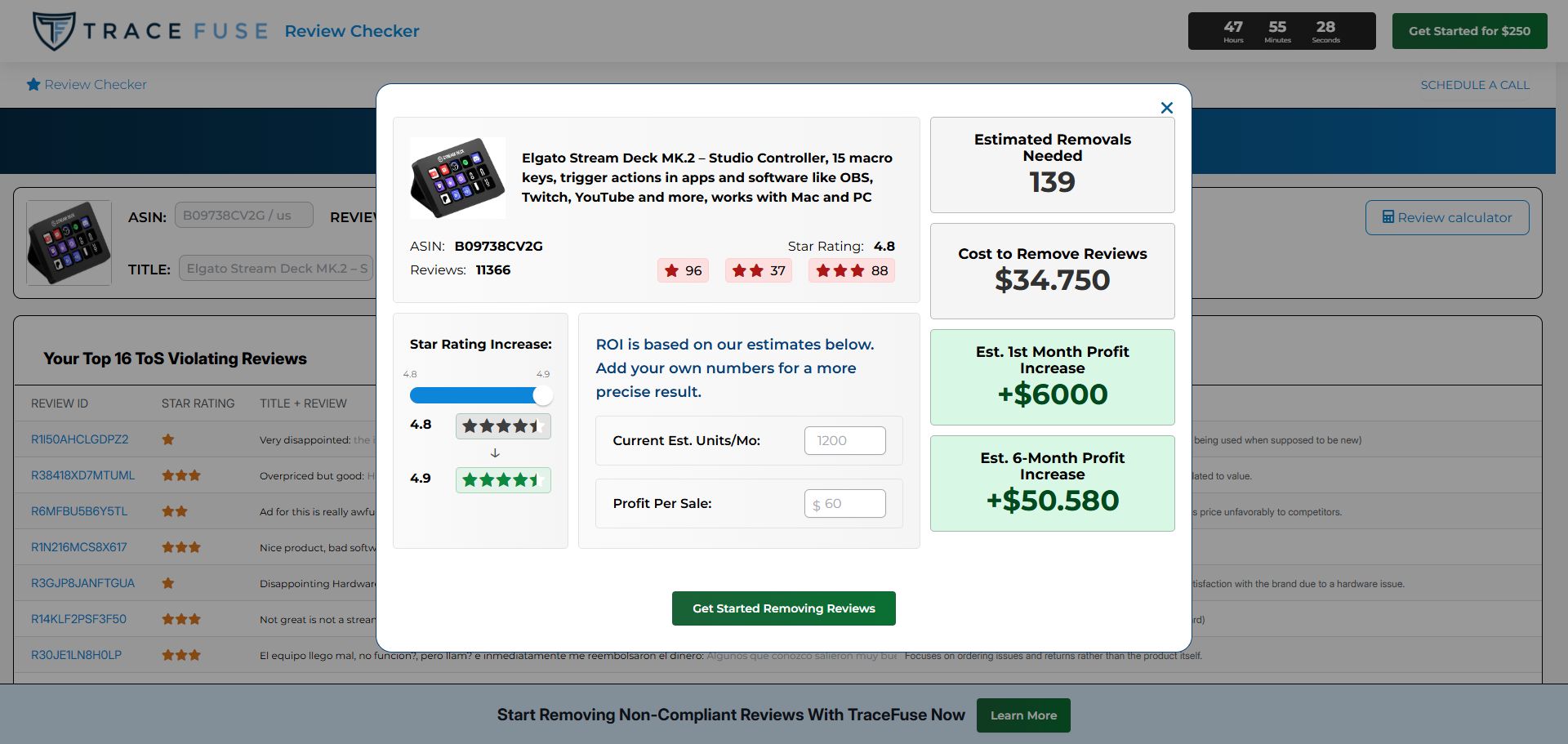
This week’s deep dive is a full tutorial on the TraceFuse Amazon Review Checker, a tool I’ve reviewed before and still consider Champions League level when it comes to identifying and removing Amazon-non-compliant reviews.
Unfair, fake, misleading or non-compliant reviews hurt conversion rate, star rating and revenue. The TraceFuse Review Checker helps you spot potential violations early, save hours of manual review work, and protect your listing before damage compounds.
If you’re actively fighting negative or abusive reviews, this is one of the cleanest starting points available right now, trust me.
📰 What you need to know
Happy New Year to you all, my fellow readers and sorry for skipping last week’s newsletter but I was OOO for the first time in years (well, lucky me!)
👉 Amazon’s Project Starfish is allegedly creating unauthorized listings for small brands. Turns out Starfish is creating AI-powered listings inside the Amazon Shopping app without the brand’s consent and with no clear opt-out. The risk is obvious: hallucinated prices, wrong inventory signals and brand trust damage when Amazon becomes the “proxy storefront” for your DTC catalog.
👉 Amazon shows AI-generated review summaries directly from the SERP when shoppers long-press a product. If your reviews are messy (or non-compliant), that summary can become your conversion killer or your best sales rep.
👉 Marketplace Pulse: Year in review 2025 is out. It’s called “The Great Compression” and recaps tariffs, AI, ad costs, platform fees and Chinese seller dominance (again) squeezing margins.
👉 Rufus roundup, as the AI agent is getting new features as we speak:
Rufus is moving into “actions” when you check a product: it bundles price history, set price alerts, checks programs & policies, browse influencer storefronts and checks delivery dates
Sellers are already seeing bad sizing recommendations that can spike returns and customer distrust, which is not exactly “AI magic.”
👉 Alexa.com launches for Alexa+ early access users directly into the browser, pushing the “AI assistant that can take actions” angle even harder. If Amazon nails this across surfaces, discovery behavior shifts again!
Like this newsletter? Forward it to a friend or recommend us on LinkedIn
💡 Weekly tip: Rufus is using reviews and Q&A to recommend or reject products
So it’s not just checking your listing copy or keywords.
You need to build your PDP so it can answer real customer questions in plain English (who it’s for, what problem it solves, how to use it), and keep content structured across bullets, A+, and FAQ.
Rufus can also pick up “real insights” from reviews, so clean review quality matters as much as quantity.
And remember: Amazon reads text in images via OCR, so your secondary images should clearly explain benefits and usage context.
Extracted from my ebook Amazon SEO in 2025
⚒ Software & services
As we do every week, here are two software that actually move the needle:
Jungle Scout Catalyst gets an interesting limited-time lifetime deal including advanced product and keyword research + tracking, with extra growth tools like listing analysis, rank tracking, review automation, and AI Assist. Limited-time New Year’s Offer ending Jan. 8th.
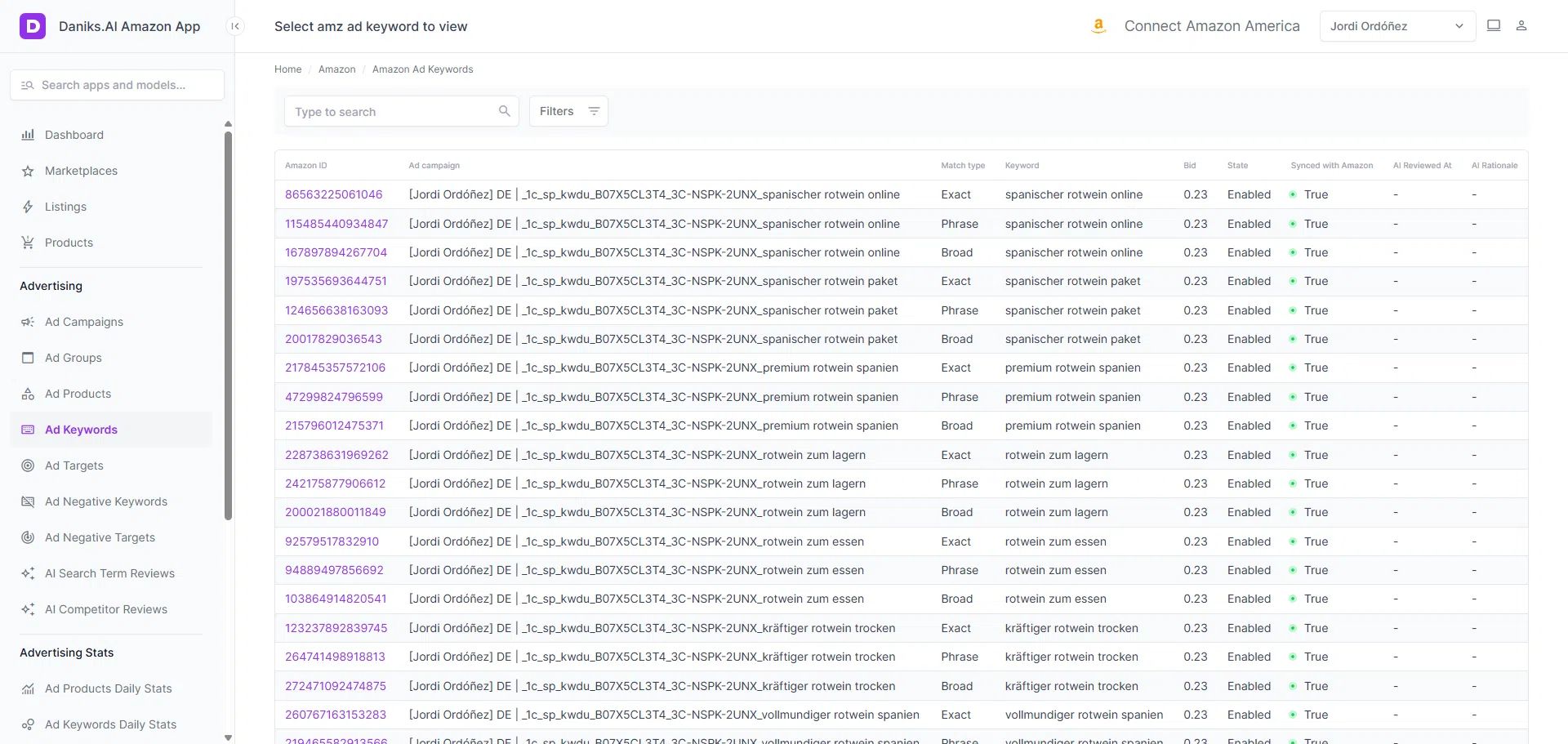
Daniks is a new Amazon Ads AI tool integrating listing intel, financial reports AI search term and competitor reviews. I’ve tested it out and here’s my review.

Reply